
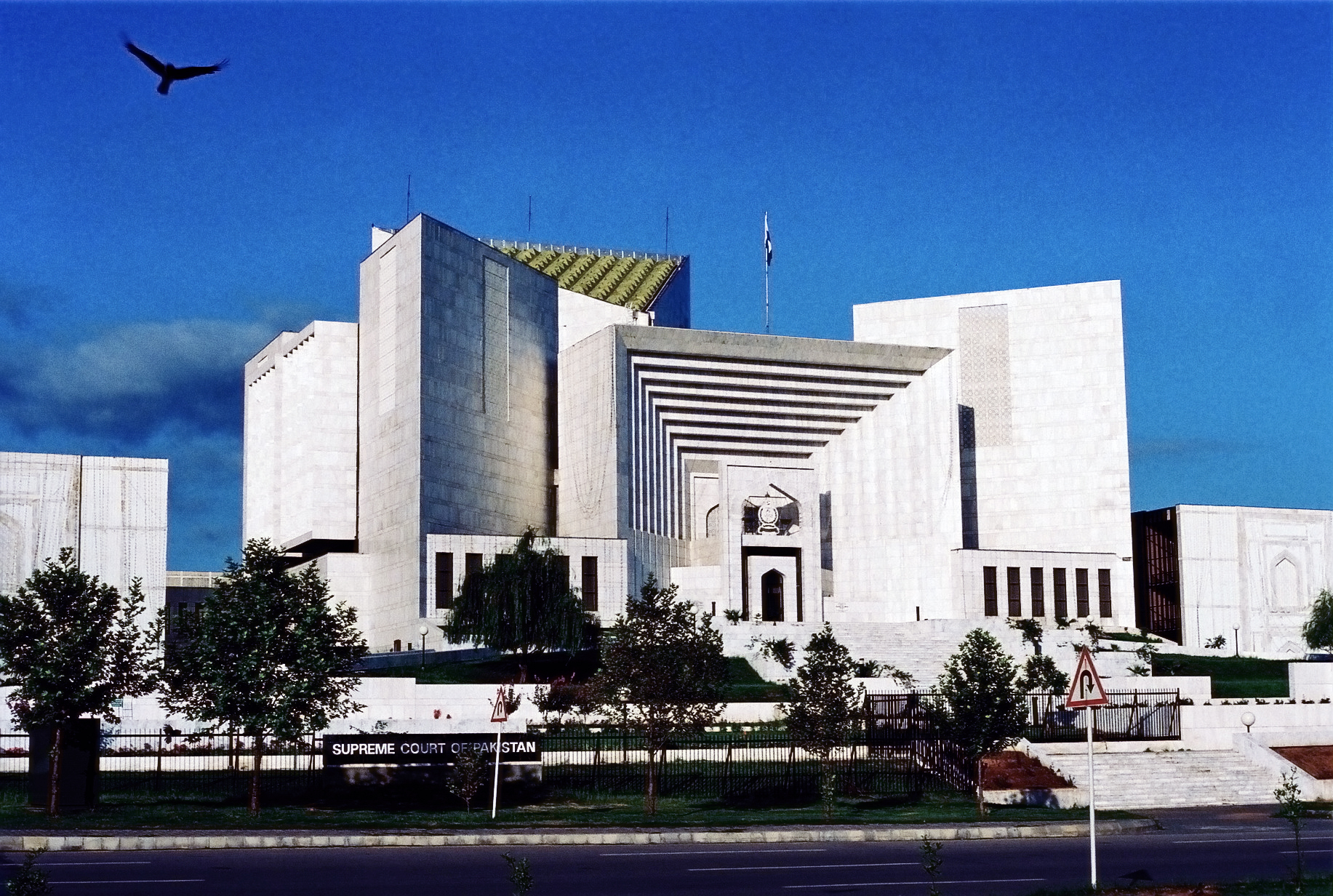
The year 2025 proved to be a defining period for corporate jurisprudence in Pakistan. Through a series of landmark rulings, the High Court of Pakistan clarified critical aspects of corporate governance, regulatory compliance, shareholder rights, and director liabilities. These decisions not only interpreted the Companies Act, 2017, but also strengthened the broader framework of transparency and accountability in corporate conduct.
Below is a structured analysis of the most significant legal developments that influenced corporate law during the year.
1. Director Liability and Fiduciary Duties Reinforced
One of the most impactful rulings in 2025 reaffirmed that directors are fiduciaries—not mere figureheads. The Court emphasized:
- Duty of care and skill
- Duty of loyalty
- Avoidance of conflict of interest
- Accountability for negligent financial oversight
The judgment clarified that directors may face personal liability where mismanagement or willful negligence results in financial harm to shareholders or creditors.
Impact: Corporate boards are now exercising heightened caution in approving financial statements, related-party transactions, and restructuring decisions.
2. Minority Shareholder Protection Strengthened
In a significant oppression and mismanagement case, the High Court expanded the interpretation of minority protection provisions under the Companies Act.
The Court held that:
- Majority shareholders cannot abuse voting power to dilute minority interests unfairly.
- Corporate decisions must align with principles of fairness and commercial justification.
Impact: Minority shareholders now have stronger grounds to challenge oppressive conduct, especially in closely held private companies.
3. Beneficial Ownership & Transparency
A key 2025 ruling addressed compliance failures related to disclosure of ultimate beneficial ownership. The Court supported strict regulatory enforcement, aligning corporate transparency standards with international AML obligations.
The decision reinforced cooperation with the Securities and Exchange Commission of Pakistan in maintaining updated beneficial ownership records.
Impact: Companies must ensure accurate reporting structures, particularly where layered shareholding or nominee arrangements exist.
4. Corporate Veil and Fraudulent Conduct
Another important judgment revisited the doctrine of “lifting the corporate veil.” The Court ruled that:
- Separate legal personality remains protected in ordinary commercial disputes.
- However, courts may disregard corporate structure in cases involving fraud, sham transactions, or tax evasion.
Impact: The ruling sends a strong message against misuse of corporate entities as shields for unlawful conduct.
5. Regulatory Enforcement Powers Upheld
The High Court also affirmed the enforcement authority of SECP in matters involving:
- Late statutory filings
- Director disqualification
- Corporate restructuring approvals
- Compliance audits
By limiting judicial interference in regulatory oversight unless procedural illegality is proven, the Court strengthened administrative autonomy.
Impact: Businesses must treat regulatory compliance as mandatory, not negotiable.
6. Insolvency and Creditor Rights Clarified
In a corporate insolvency matter, the court clarified creditor priority in liquidation scenarios. Secured creditors were reaffirmed priority status, while directors were cautioned against preferential transactions prior to insolvency.
Impact: Financial institutions gained greater clarity, and distressed companies face tighter scrutiny in restructuring attempts.
Broader Implications for Corporate Pakistan
The 2025 jurisprudence reflects three overarching themes:
- Accountability of directors and management
- Transparency in ownership and reporting
- Judicial support for regulatory enforcement
These rulings collectively signal a shift toward stricter governance standards and reduced tolerance for procedural non-compliance.
Conclusion
The High Court’s corporate law decisions in 2025 have materially reshaped governance expectations in Pakistan. Boards must operate with greater diligence, shareholders are more protected, and regulators enjoy enhanced judicial backing.
For companies operating in today’s legal climate, compliance is no longer a defensive strategy—it is an essential component of sustainable corporate growth.